Comparison
H13 vs HEPA + Carbon Air Purifier Filter: Which Is Better?
A practical comparison of H13-focused and HEPA-plus-carbon air purifier filters for UK buyers — covering particle removal, odour reduction, cost, filter lifespan and which setup suits which home.
Filtration
H13 filters focus on particle capture with tighter efficiency against smaller particles. HEPA plus carbon adds odour, smoke and VOC capture, but the carbon layer has limited service life. Carbon performance can drop before the HEPA layer needs changing, so know both replacement schedules.
Best use cases
Use H13-heavy units for allergy-heavy households with pollen, dust mites and pet dander as the main concern. Use HEPA + carbon units for kitchens, smokers, busy city flats, or users sensitive to smells and VOCs. If odour is a secondary benefit, H13-centric filtration still wins on particle performance cost.
Running costs
Carbon filters cost more over time because they saturate rather than just trapping particles. H13-focused units can be cheaper long-term if your priority is particles rather than odour. Always check available UK replacement filters before buying.
Filter compatibility
Frequently asked questions
Is H13 always better? Better for particles. If odour, smoke and VOCs are the priority, add carbon or use a HEPA + carbon unit.
See our air purifier buying guide for more selection criteria.
Related Reviews

GoveeLife
GoveeLife Mini Air Purifier for Bedroom, HEPA Smart Filter Air Purifier with App Alexa Control for Pet Hair, Odors, Pollen, Smoke, Portable Air Cleaner with 3 Speeds, 2 Modes, Timer, Aroma for Home

Levoit
Levoit HEPA Air Purifier for Bedroom Home, Allergies & Pets, Quiet Sleep Mode with Aromatherapy, 3 Fan Speeds, Removes Pollen Dust Odour Smoke, Ozone Free
Levoit
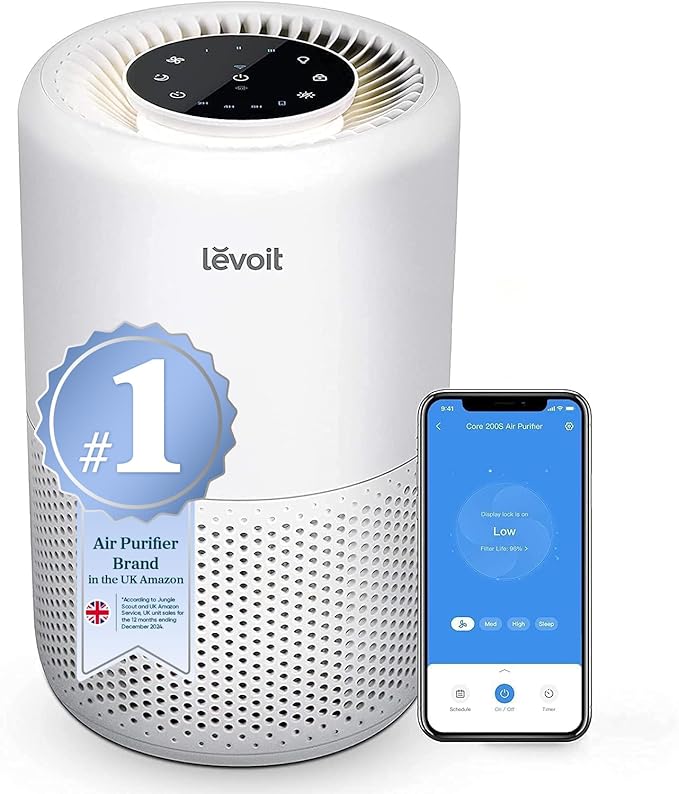
Levoit Smart HEPA Air Purifier for Allergies & Pets, 64m² Bedroom Home Coverage, Alexa & App, Ultra-Quiet Sleep Mode, Timer, Night Light, Removes 99.97% Pollen Dust Odour Smoke, Core 200S

Levoit
LEVOIT Air Purifier for Bedroom Home, Quiet HEPA Filter Cleaner with Fragrance Sponge & 3 Speed for Better Sleep, Air Frenshener, Allergies, Dust, Pet Dander, Odour, Smoke, Office, Desktop, Core Mini
Levoit
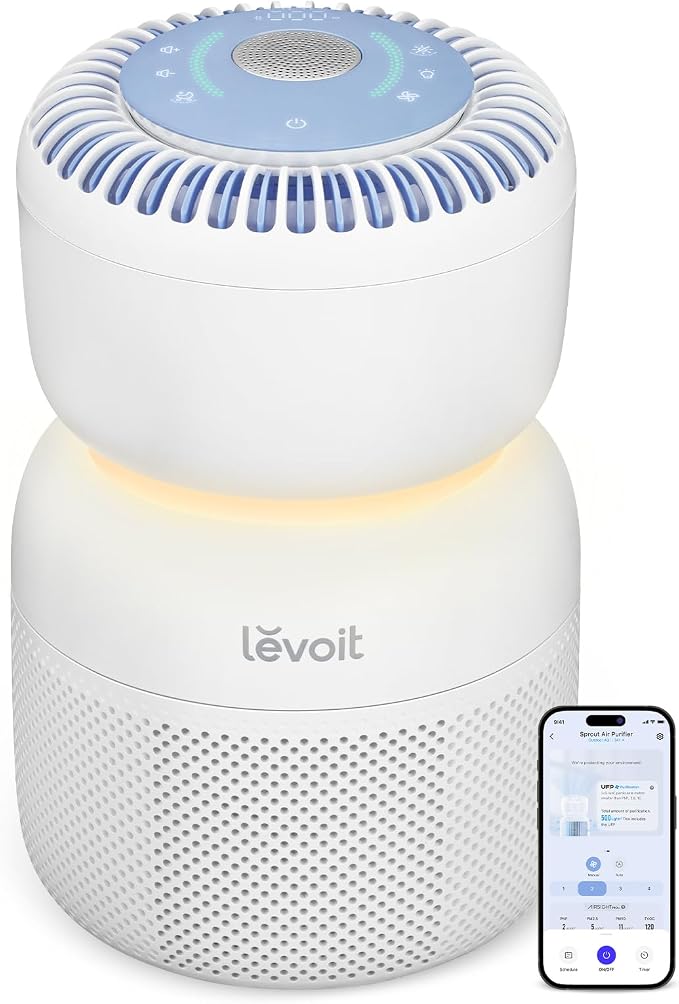
Levoit Smart Air Purifier for Bedroom Home, 5 Sensors Monitor 7 Air Quality Factors, HEPA Filter Captures 99.99% of Ultrafine Particles, Removes Odours & VOCs, Air Quality Display, App Control, Sprout

Levoit
Levoit Smart HEPA Air Purifier for Bedroom Home 108 m², CADR 258 m³/h, Laser Air Quality Sensor with Auto Sleep Mode, Alexa & App Control, Remove 99.97% Pollen/Dust/Odour, Core 300S
Recommended Reading
Buying Guide
Air Purifiers Buying Guide: What to Look For in 2026
Best Products
Best Air Purifiers in 2026
Review
GoveeLife Mini Air Purifier for Bedroom, HEPA Smart Filter Air Purifier with App Alexa Control for Pet Hair, Odors, Pollen, Smoke, Portable Air Cleaner with 3 Speeds, 2 Modes, Timer, Aroma for Home
Review
Levoit HEPA Air Purifier for Bedroom Home, Allergies & Pets, Quiet Sleep Mode with Aromatherapy, 3 Fan Speeds, Removes Pollen Dust Odour Smoke, Ozone Free
Review
Levoit Smart HEPA Air Purifier for Allergies & Pets, 64m² Bedroom Home Coverage, Alexa & App, Ultra-Quiet Sleep Mode, Timer, Night Light, Removes 99.97% Pollen Dust Odour Smoke, Core 200S
Review
LEVOIT Air Purifier for Bedroom Home, Quiet HEPA Filter Cleaner with Fragrance Sponge & 3 Speed for Better Sleep, Air Frenshener, Allergies, Dust, Pet Dander, Odour, Smoke, Office, Desktop, Core Mini
Explore